Research

ESRAC conducts interdisciplinary research at the intersection of environmental systems and human health. Our work integrates exposure science, infection prevention, environmental monitoring technologies, and risk assessment to generate actionable solutions that protect workers, families, and communities.

Research Areas
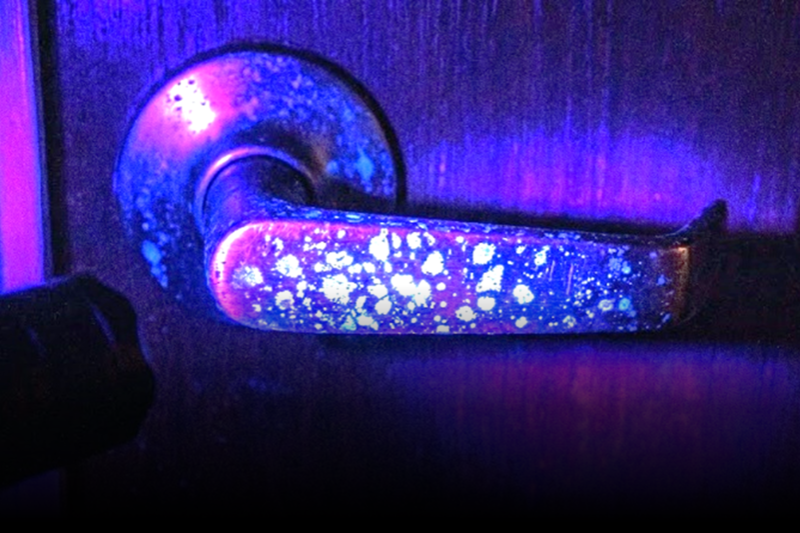
Exposure & Transmission Studies

Using microbial tracers and quantitative risk models, our teams map real-world transmission pathways evaluate strategies for reducing risks in indoor and outdoor environments.

Rapid Detection & Monitoring

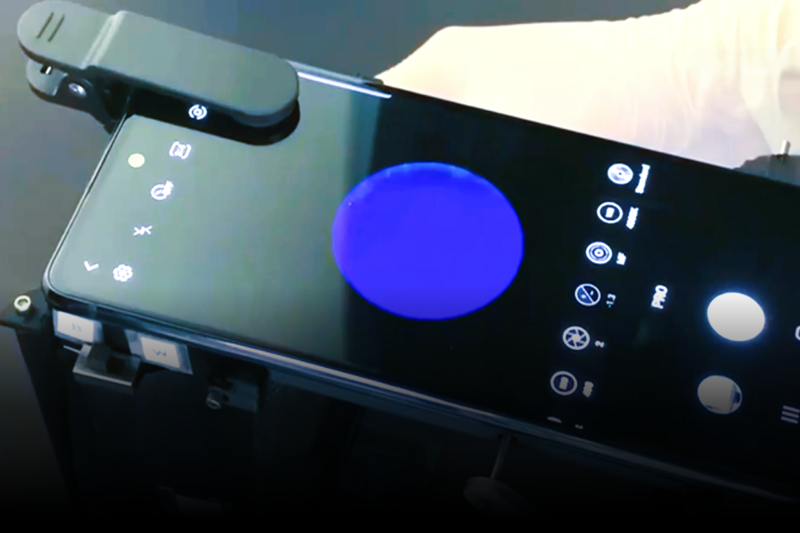
ESRAC and its partners develop field-deployable sensors, smartphone-enabled monitoring tools, and AI-driven risk models to support real-time assessment of harmful microbes and chemicals in the environment.

Built Environment & Indoor Health

We study exposures in the places where people live and work, including air and surface pathways. Our research examines how building systems, occupant behavior, and hygiene practices influence exposure levels while promoting practical, evidence-based risk reduction.

Occupational & Worker Exposure Risk

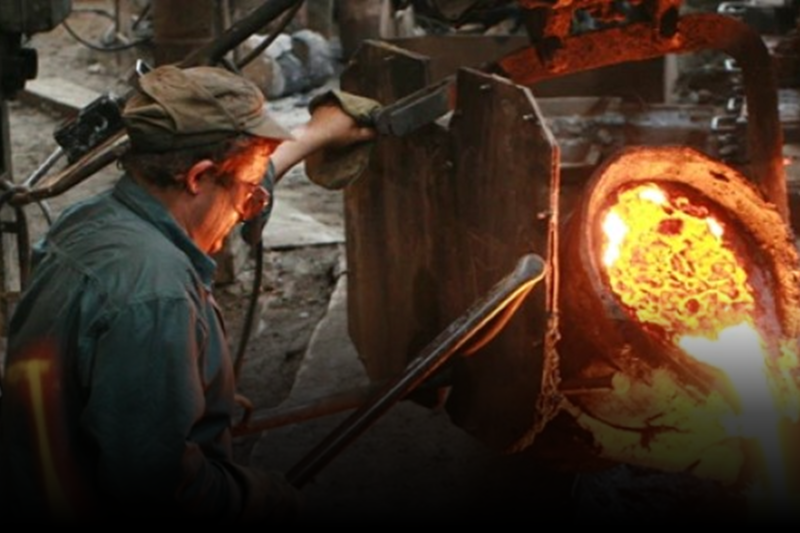
We assess environmental hazards affecting workers, first responders, and vulnerable populations, translating exposure science into strategies that reduce occupational and community health risks.

Water Systems & Environmental Health

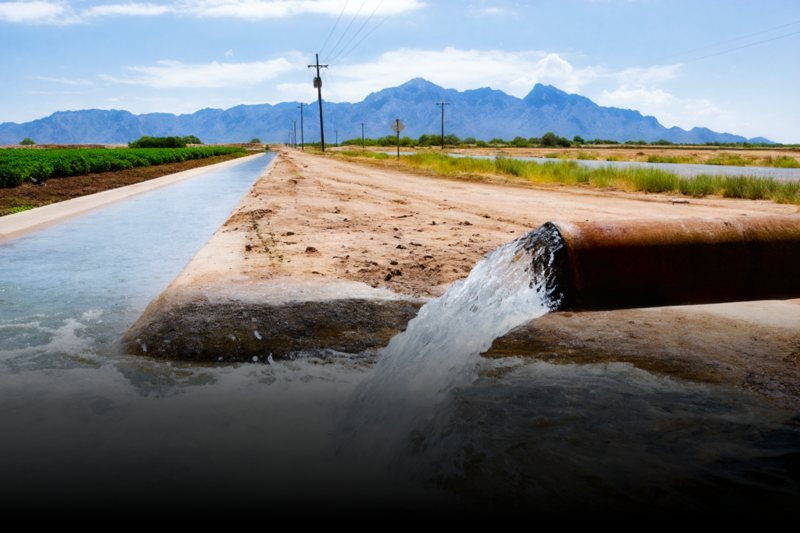
We investigate water quality and exposure pathways from source to point of use, including municipal systems, building water systems, and natural water bodies. Our work examines microbial and chemical risks across drinking, recreational, and aerosolized water exposures.

Risk & Decision Science

We integrate exposure modeling, quantitative microbial risk assessment (QMRA), and economic analysis to translate environmental exposures into measurable health risks. These approaches inform risk–benefit evaluation and evidence-based public health decision-making.

Research in Action

Explore featured projects, recent publications, and technical services.